
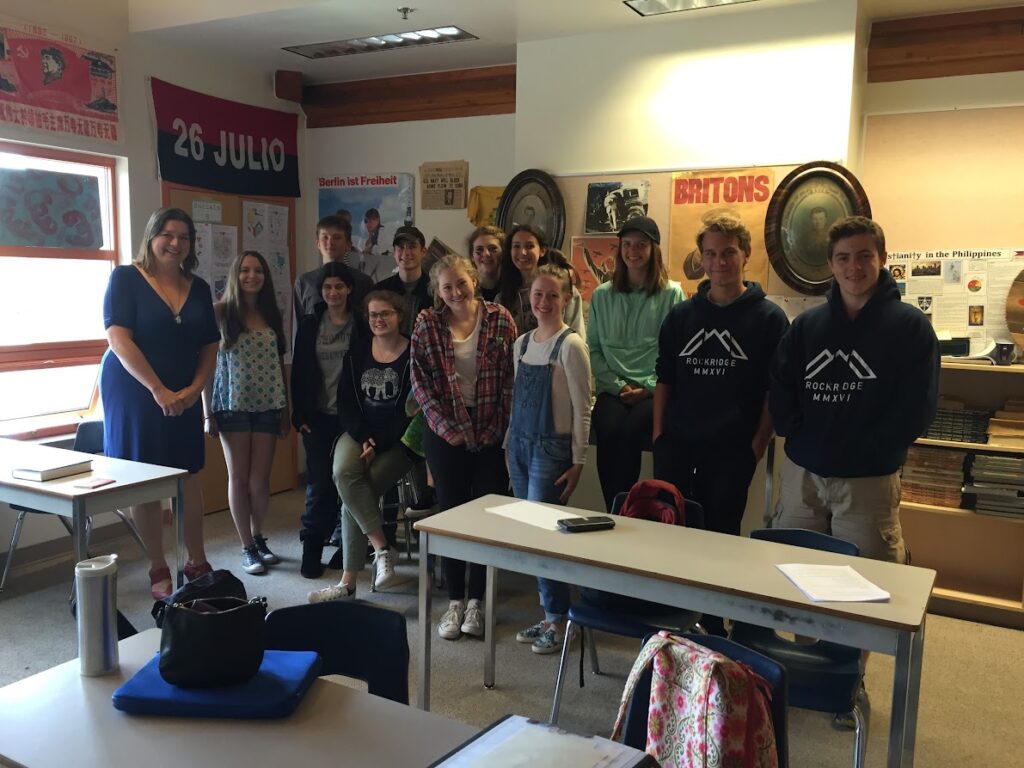
The end of June school marked ten years since I handed in the keys to my classroom at Rockridge Secondary school, and picked up the key to my new shared office in the Faculty of Education at Vancouver Island University. I taught in West Vancouver schools for 21 years, building a rich collection of memories, relationships, resources, and political history mementos for my walls. Some of these mementos stayed behind in my former colleagues’ classrooms, but I put these ones up the first day in my new office.
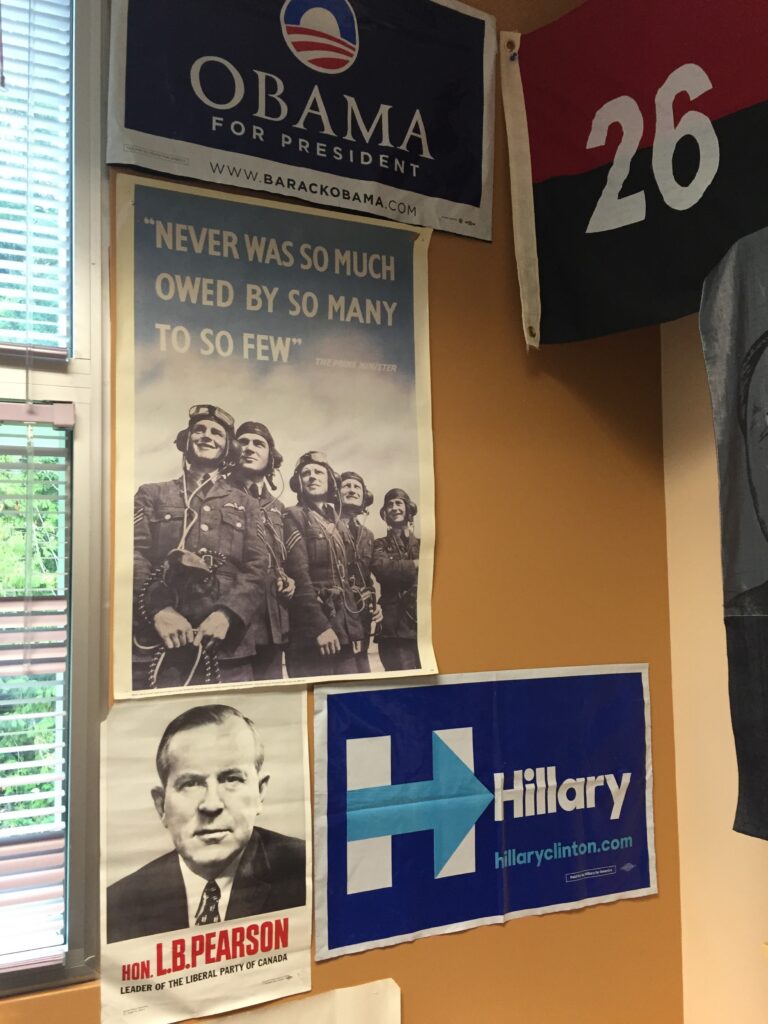
Ten years ago…
In 2016, Justin Trudeau was still the new prime minister and Barack Obama was still the American president. AI was, for most of us, something from science fiction. A pandemic was something that your teacher would have had to define in your 20th century history course, if they taught any at all.
In 2016, the “revised BC curriculum” was in its first year of implementation at K-9, and those of us who were writing the 10-12 courses were still finalizing their development.
In May, 2016, the Ministry of Education announced that the provincial exam program had ended, and would be replaced with graduation literacy and numeracy assessments that would neither be tied to specific courses nor “count” toward student grades. The province began to pilot a new 4-point proficiency scale in a limited number of school districts, including Nanaimo-Ladysmith, where my family lives.
In 2016, My daughter Jane was just about to enter kindergarten, and now she is entering grade 10. My niece Mya was a 13-year-old teacher-helper in Jane’s ballet class, and is now entering her final year in my teacher education program.
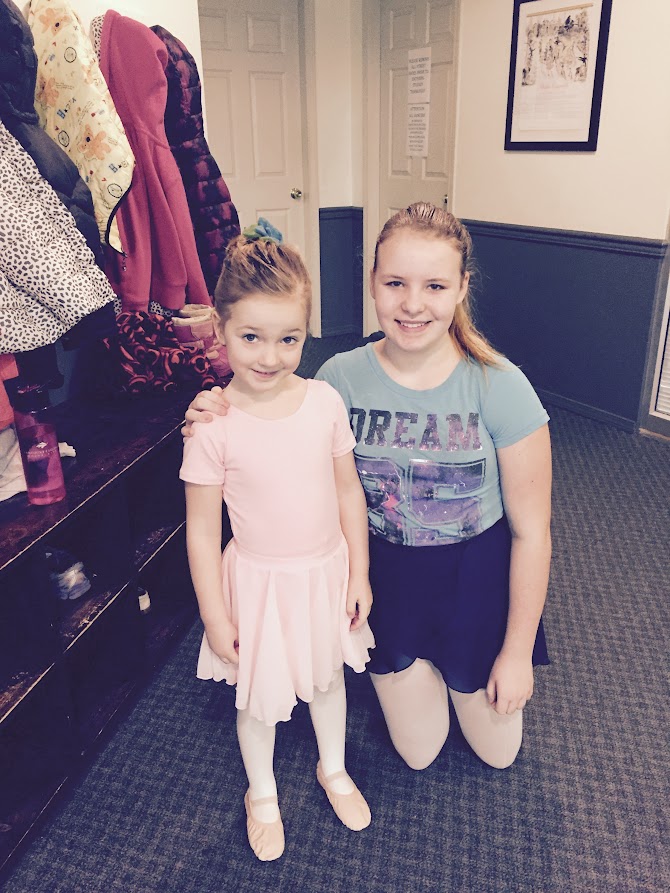
Jane was on my mind when I wrote my first course syllabus for Social Studies Methods, knowing that she may someday have some of my students as her teachers. She has had several of my former students already as teachers, and I’m glad she will have more this year!
This week, as I finalize and post the 2026 syllabus for Social Studies Methods, I’m also thinking about Mya, because she will be one of the year 5 students taking my class.
There are two themes that are influencing my thinking: prioritization, and relationships.
Establishing Priorities
As a high school teacher I had to make hard decisions. There was never enough time, and there were always too many worthwhile priorities.
Was preparing for and carrying out a cross-grade model parliament simulation worth the time, when students had a Socials 11 provincial exam worth 20%? (Of course!)
Should we dive deeply into Middle Eastern history, and have less time for the Cold War? Trick question: I used to start with a Middle East standalone unit and keep to a tight Interwar / WW 2 schedule to make sure the Cold War had enough time. My students had reviewed the proposed course outline and curriculum on the first day, and so I knew this wasn’t just what I wanted – it’s what many of them wanted too.
My early course outlines in Social Studies Methods reflect what I judged the hot priorities in helping teachers navigate the revised curriculum: embedding Indigenous perspectives; building competencies; explicitly teaching historical injustices, beginning in intermediate grades; and navigating the early experimentation with, then implementation of the provincial proficiency scale. I also borrowed my favourite assignment from the Social Studies Methods course I took from Alan Sears at UBC in 1992…. the “resource fair”. This has remained a constant in my course each year, as it helps build professional competencies in analyzing learning resources, and building a collection of high quality, free learning resources that align with the BC curriculum.
These features are still all in my course, but other priorities have begun to feel as, or more urgent. Over my students’ careers in the classroom, they will need to continue to ask themselves a prioritization question. At some point over the last decade, I started to end my course with a reflection on this question:
What do your students need from you, and what does our society need of social studies education?
In the last two years, I have adjusted the wording of the second part: what does our society and our democracy need of social studies education?
Even as someone whose first love has always been political education, I never imagined elevating protecting and strengthening democracy would rise to the top of my lofty priority list. But here we are.