The northern shoveler (Spatula clypeata) is a common bird with a unique appearance that makes them easily recognizable. Considering their heads are always down, sifting through the water for food, you might walk right by one and not even notice! These strange looking birds have some interesting behaviours that make them even more unique. Have you ever seen a duck make a whirlpool? Let’s dabble in what makes these waterfowl so wonderful.
Identification
The northern shoveler is a medium sized duck with an extra large sized bill. This spoon-like bill is a clear sign you’re looking at a shoveler, and it’s where they get their nickname “Spoonies” from (United States Fish and Wildlife Services). They are around 44-51 cm long, and weigh 400-820 grams, leaving them just a bit smaller than a mallard (All About Birds).
A male northern shoveler in his breeding colours looks somewhat similar to a mallard, with a green head. The white chest, brown sides, and black bill set him apart from his more common cousin. He also has a blue patch on the shoulder of the wing, and a green patch just below that. Nonbreeding males are all brown with an orange-ish patch on the sides (All About Birds). They also keep their black bill and yellow eyes.
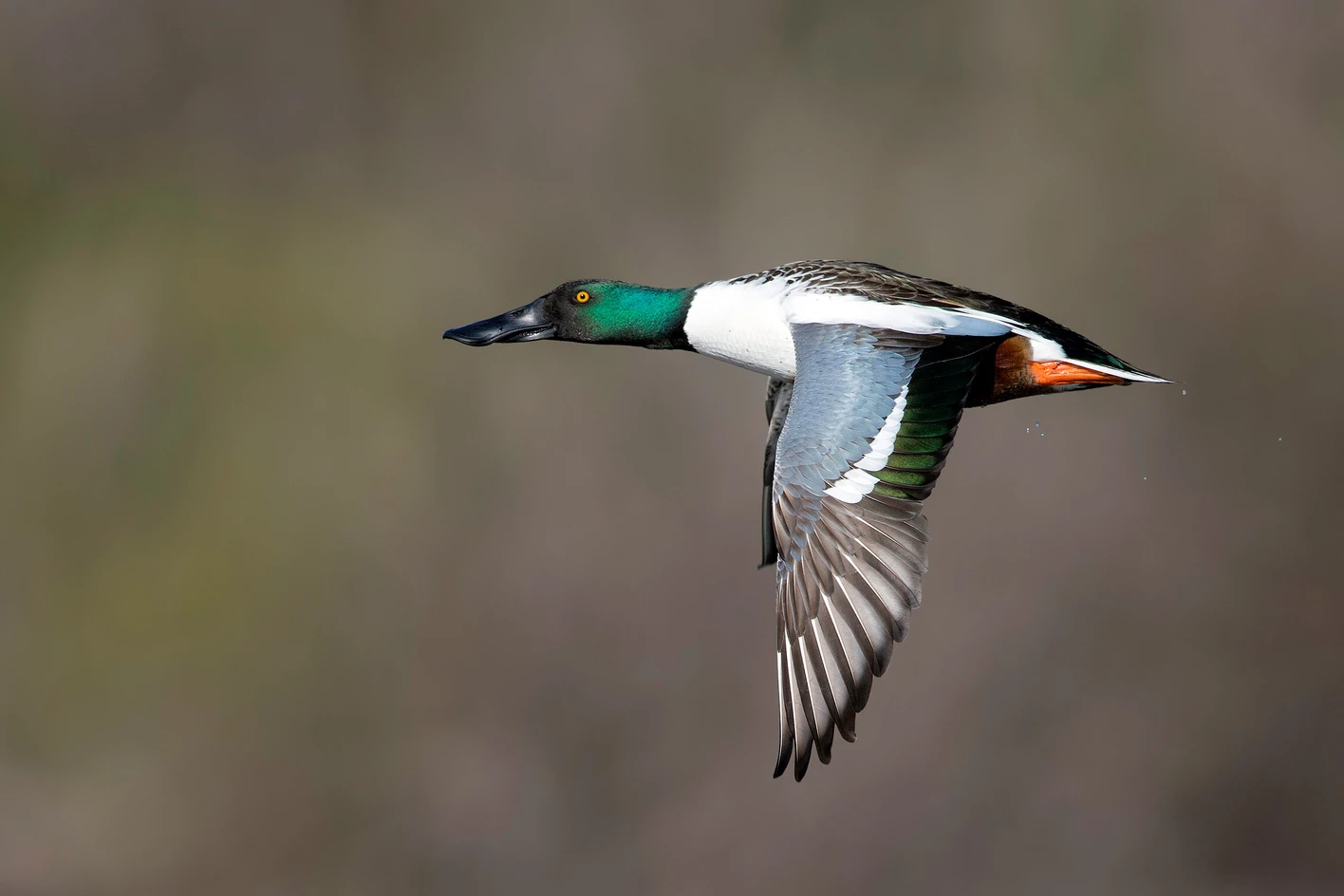
Figure 1: A male northern shoveler in breeding plumage (Picture from Audubon)
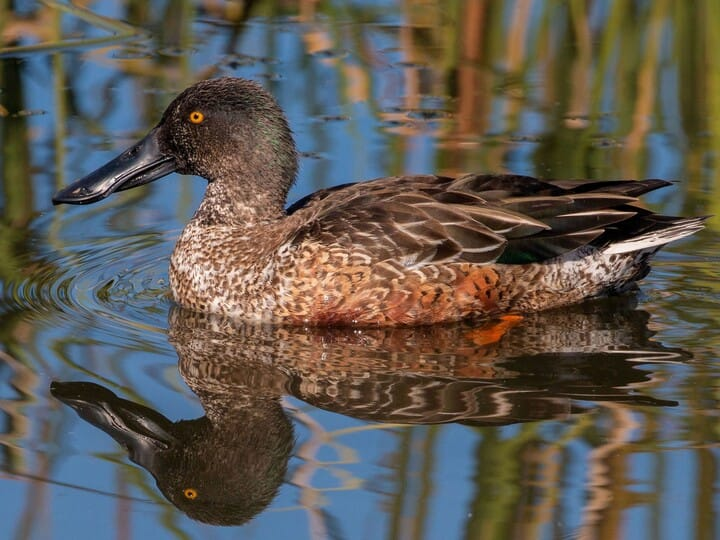
Figure 2: A male northern shoveler in his nonbreeding plumage (Picture from All About Birds)
Females and immature males look similar to a female mallard with an oversized bill. They’re brown with lighter brown around the edges of the body feathers, and a bright orange bill (All About Birds). They also have a green patch on the bottom edge of the wing, though it’s duller than in the breeding males. The duller colours of the females are to help with camouflage (EBSCO).
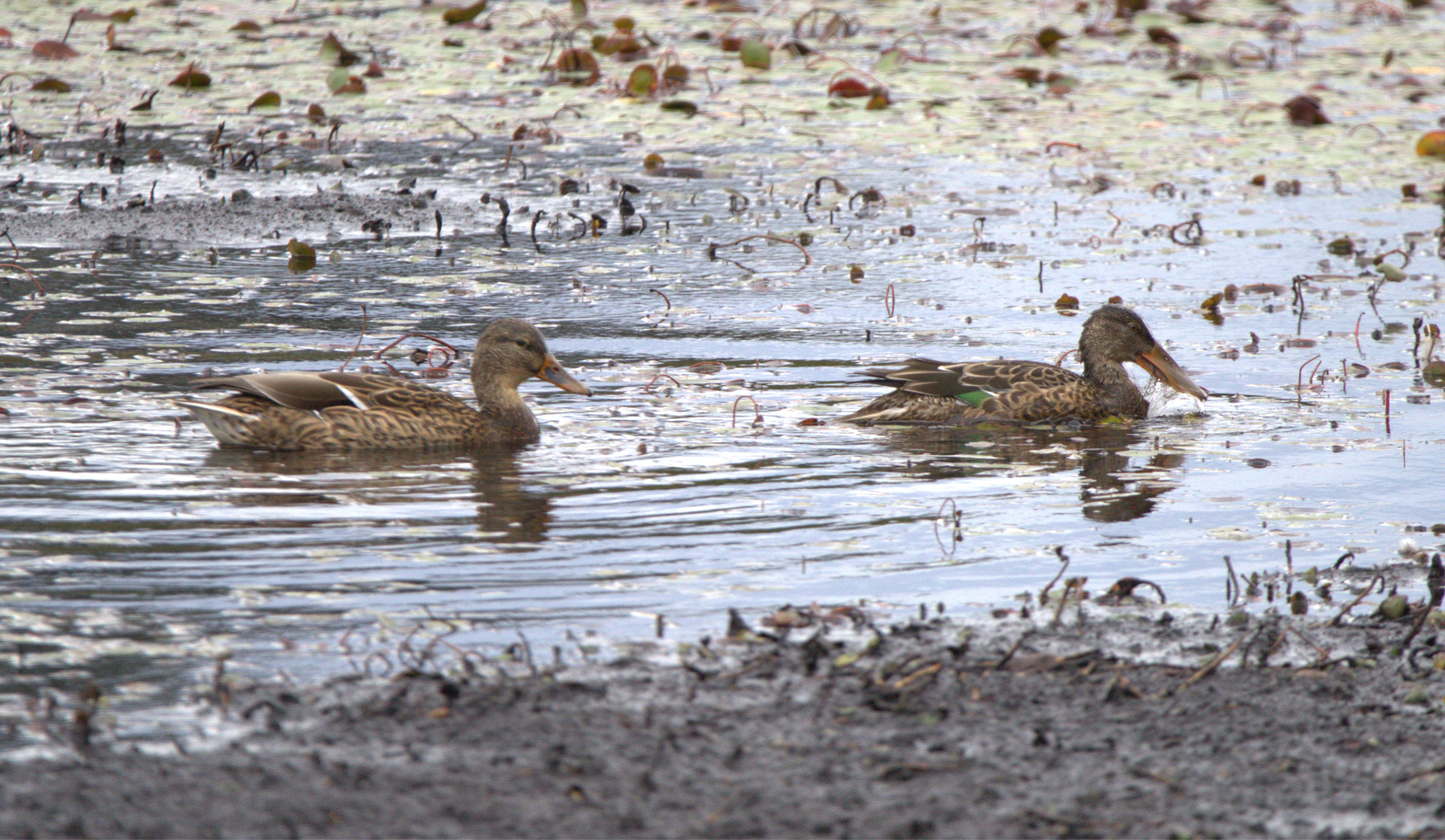
Figure 3: A female mallard (left) next to a northern shoveler (right) (Picture from E. Kludash)
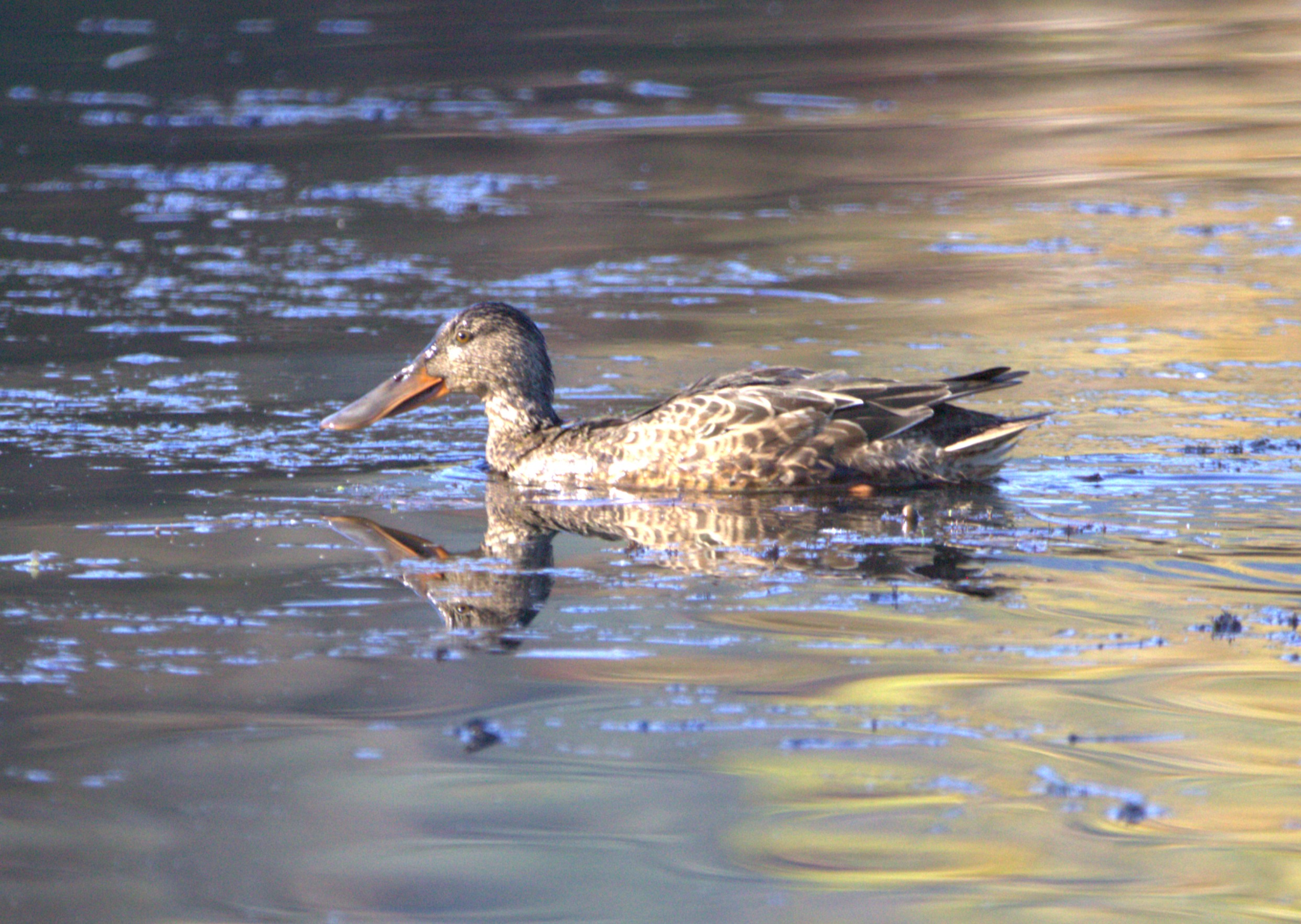
Figure 4: A northern shoveler (Picture from E. Kludash)
As for sounds they make, when flying, courting females, or when alarmed, the males will make a “tuk tuk” sound. Females make a nasally quack.
Figure 5: A video recording of the sound a male northern shoveler makes. (Video from @BirdWatchingLife)
Distribution
As a migratory species, northern shovelers like to move around a lot. They live all across the northern hemisphere, including North America, Africa, Asia, and Europe (Moreau et al., 2024).
In North America, they breed in the provinces of British Columbia, Alberta, Manitoba, and Saskatchewan, as well as Alaska. They migrate through Ontario and the north eastern states, then spend the winter in the southern states and Mexico. (Audubon)
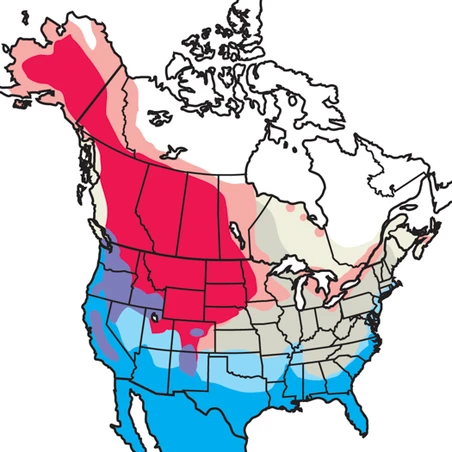
Figure 6: A map of North America showing the breeding range (red), winter range (blue) migration range (grey), and year round range (purple) of the northern shoveler. (Picture from Audubon)
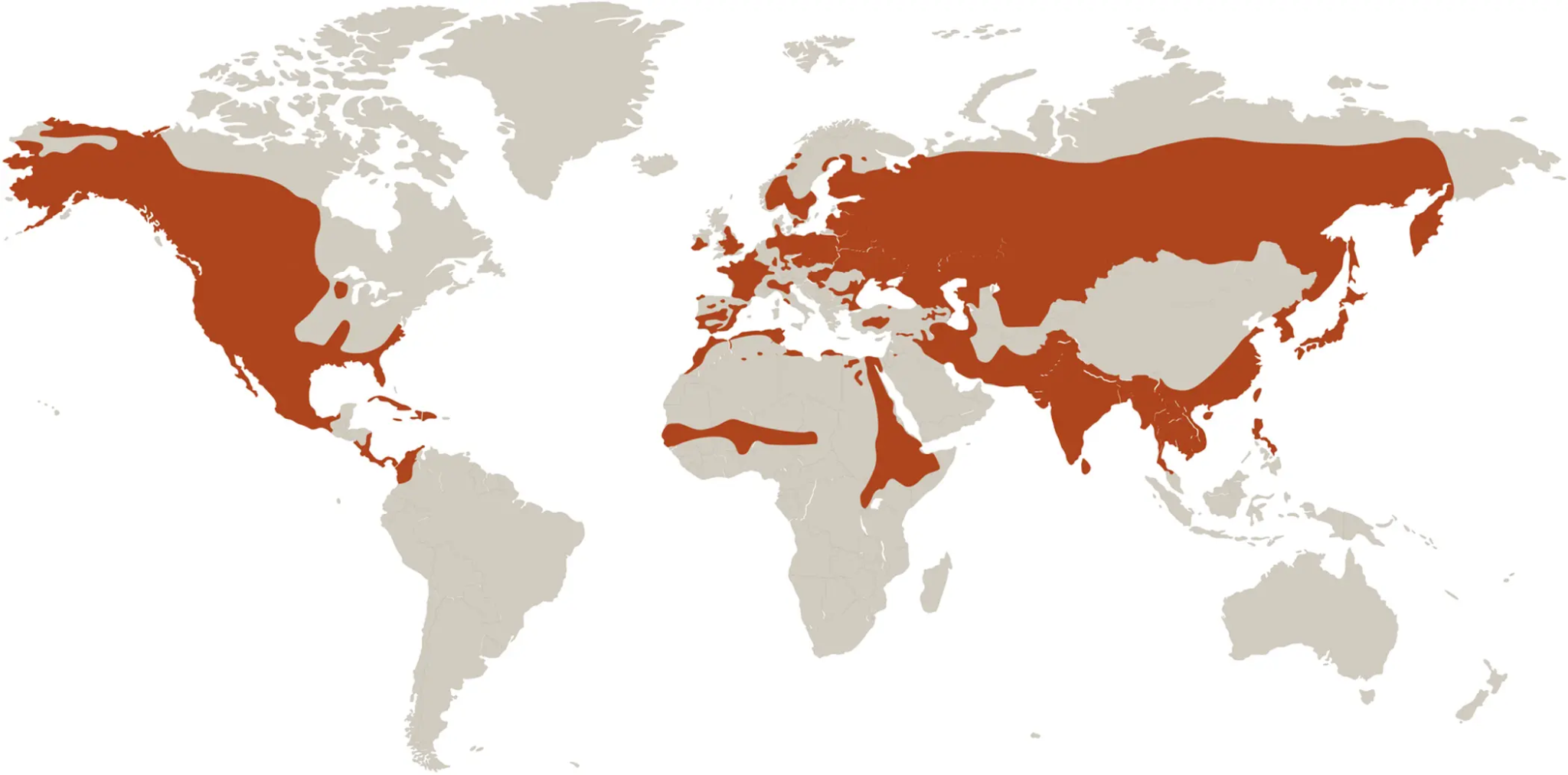
Figure 7: A map showing the global range of the northern shoveler (Picture from Saint Loius Zoo)
Habitat
Since shovelers like to spend their time mucking around in shallow water to look for food, you can usually find them in shallow wetlands, marshes, lagoons, and flooded fields. They like to hang around sewage treatment lagoons where there’s lots of invertebrates to eat, so they must not mind the smell (United States Fish and Wildlife Services).
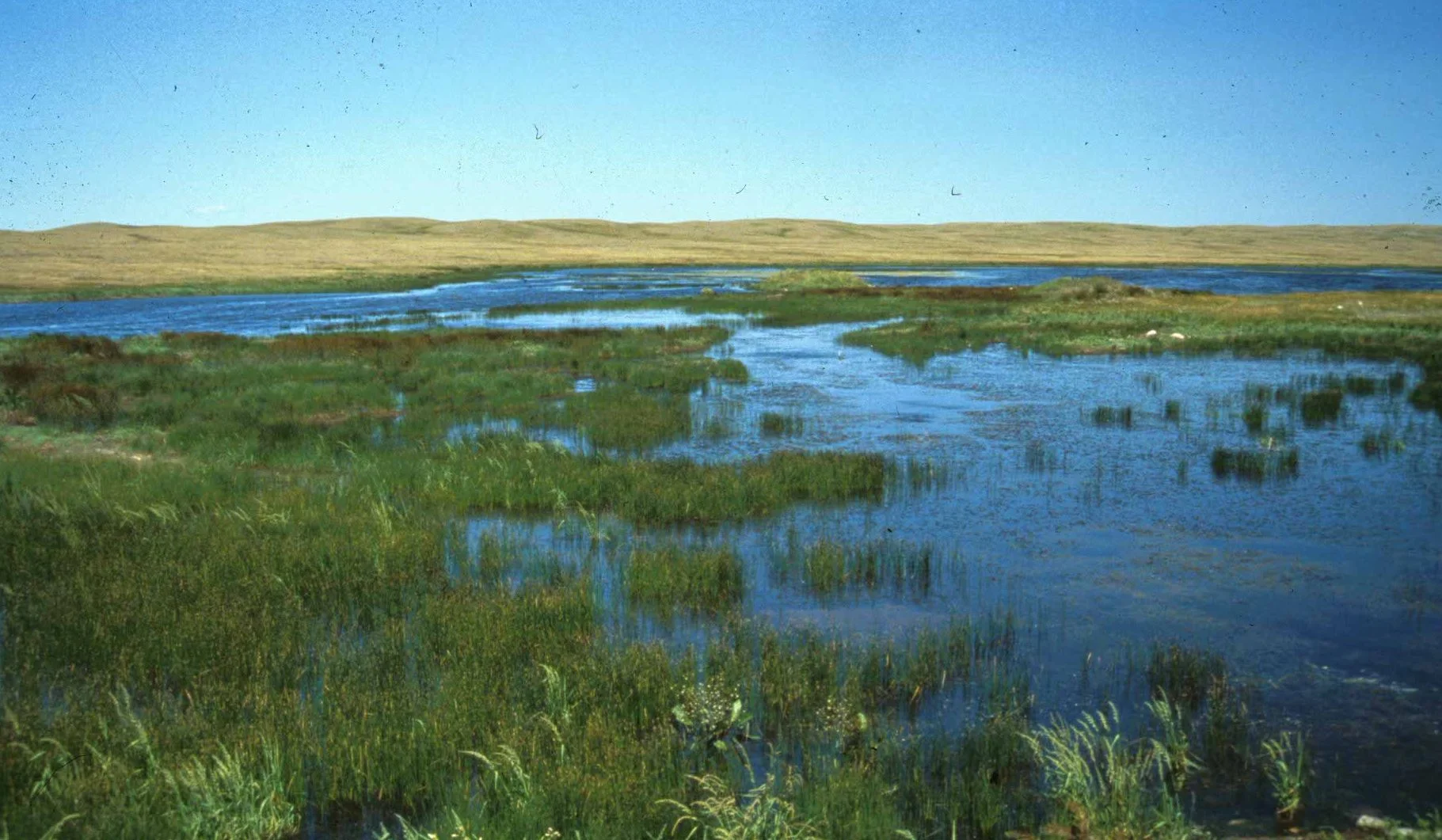
Figure 8: A marsh. (Picture from Wetland Policy)
General Behaviour
As dabbling ducks, they tend to have their heads down to sift through the water for food using their specialized bills (Roos-Muñoz et al., 2026). They move their heads side to side to search around for their food, and they mostly eat seeds, aquatic plants, crustaceans, molluscs, and aquatic insects (Audubon).
They sift through the mud using projections on their bill called lamellae, which filters the food out of the water like a sieve (10000 Birds). Northern shovelers have been found to be very effective at moving microorganisms between bodies of water, possibly due to their lamellae helping them filter out these microorganisms to eat. The microbes can occasionally survive the digestive system, and make it out the other side unscathed (B. Szabó et al., 2022).
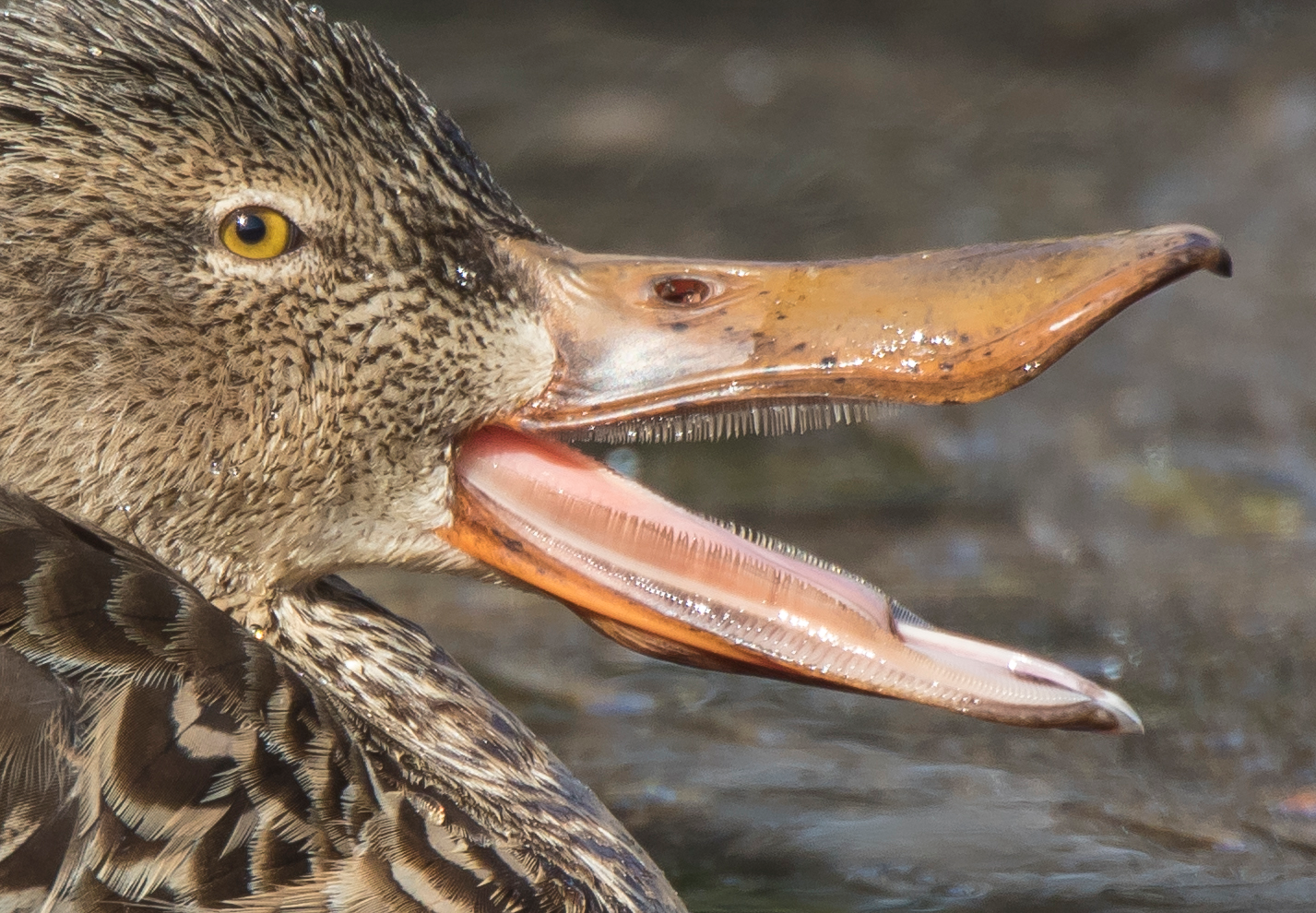
Figure 9: A northern shoveler with its bill open, showing the lamellae (Picture from Roads End Naturalist)
Interestingly, they forage both during the day and at night, but primarily feed at night (Moreau et al., 2024). Sometimes, groups of northern shovelers will all swim in a circle together. Why? Because it makes a whirlpool that stirs up food from the bottom of the pond and brings it to the surface. (United States Fish and Wildlife Services). You can see a video of this delightful display here:
Figure 10: A video showing how northern shovelers swim in circles to draw up food from the bottom of the pond. (Video from Nat Bel)
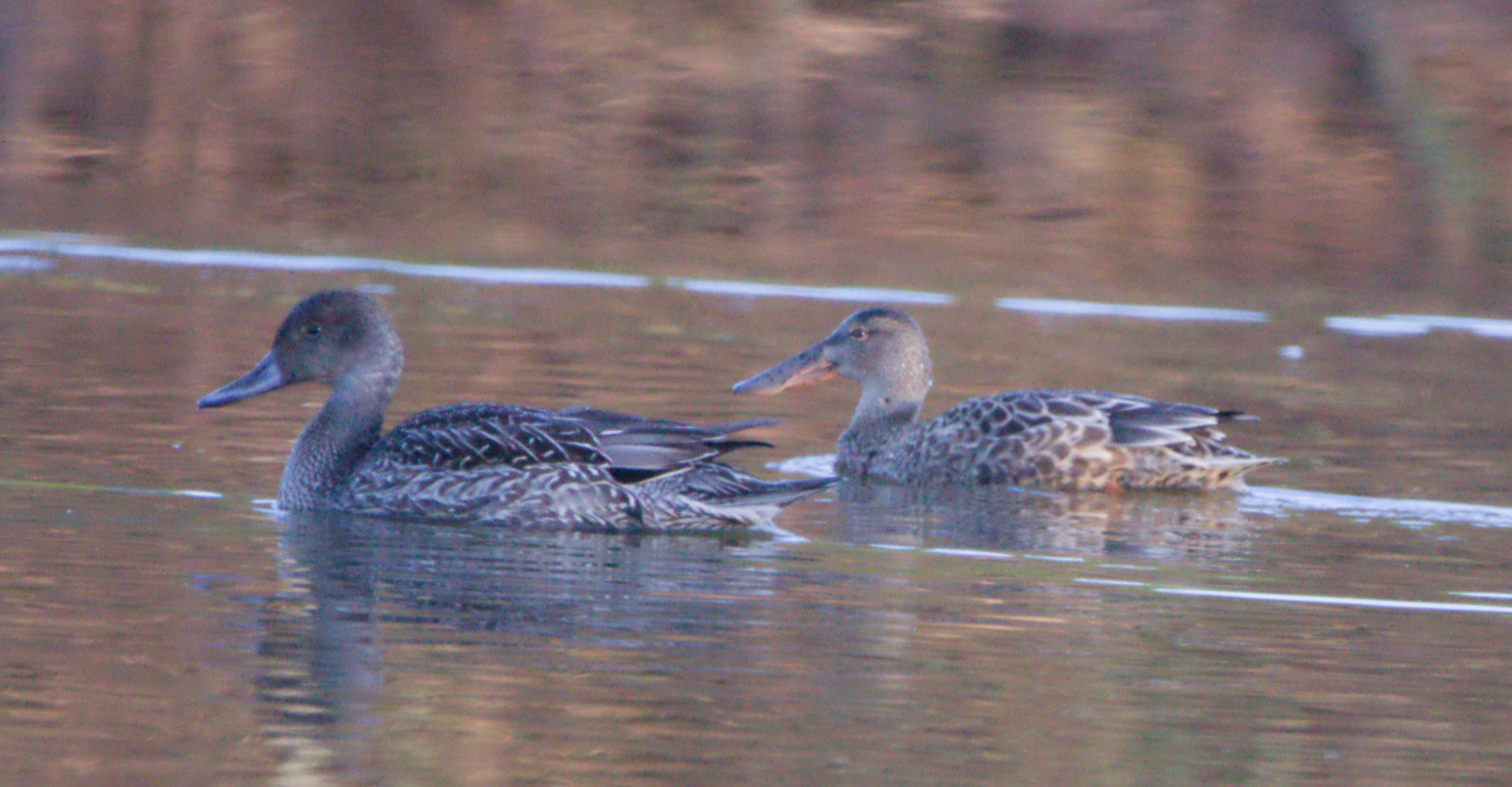
Figure 11: A northern shoveler (right) with a northern pintail (left) (Picture from E. Kludash)
Breeding Behaviour
Northern shovelers pair up during the winter, when males attempt to court females by flapping their wings, turning, and pumping their heads (All About Birds). Unlike many other duck species, they’re mostly monogamous, meaning they only have one partner at a time (Smithsonian’s Natural Zoo & Conservation Biology Institute). The males stay with the females for some of the incubation period, which is longer than most other duck species. Though he may stick around, he doesn’t help care for the eggs (Audubon). He does, however, defend his mate from other ducks while she builds the nest (EBSCO).
They breed along the edges of wetlands and the grassy areas surrounding them, where the female makes a small pit in the ground as a nest, which she lines with feathers and grass. If she’s disturbed by a predator while sitting on the eggs, she’ll poop on the eggs and fly away to try and deter the predator (Smithsonian’s Natural Zoo & Conservation Biology Institute).
Conservation
Fortunately, northern shovelers are considered least concern according to the IUCN red list (IUCN Red List). The population is relatively stable, and the species is quite common (Audubon). The population in North America has had a large increase since the 1970s (Wildlife Species Canada), though the population has been decreasing globally (Smithsonian’s Natural Zoo & Conservation Biology Institute).
The biggest concern with their conservation is habitat loss (Wildlife Species Canada). When their habitats are destroyed, there’s less room for them to breed in ideal spots, leading to less shovelers being born the next year. They are often hunted, as well, which contributes to their global decline (Smithsonian’s Natural Zoo & Conservation Biology Institute).
Did you know?
- They’re the only duck species that is zooplanktivorous (eats plankton) (Abda et al., 2015).
- Newly hatched chicks have a small, almost normal looking bill at first. The young can swim only a few hours after hatching (Smithsonian’s Natural Zoo & Conservation Biology Institute).
- Males molt all their flight feathers before migrating, so there’s a short period of time where they can’t fly. They prefer to hide in vegetation, since being unable to fly leaves them more vulnerable to predators (All About Birds).
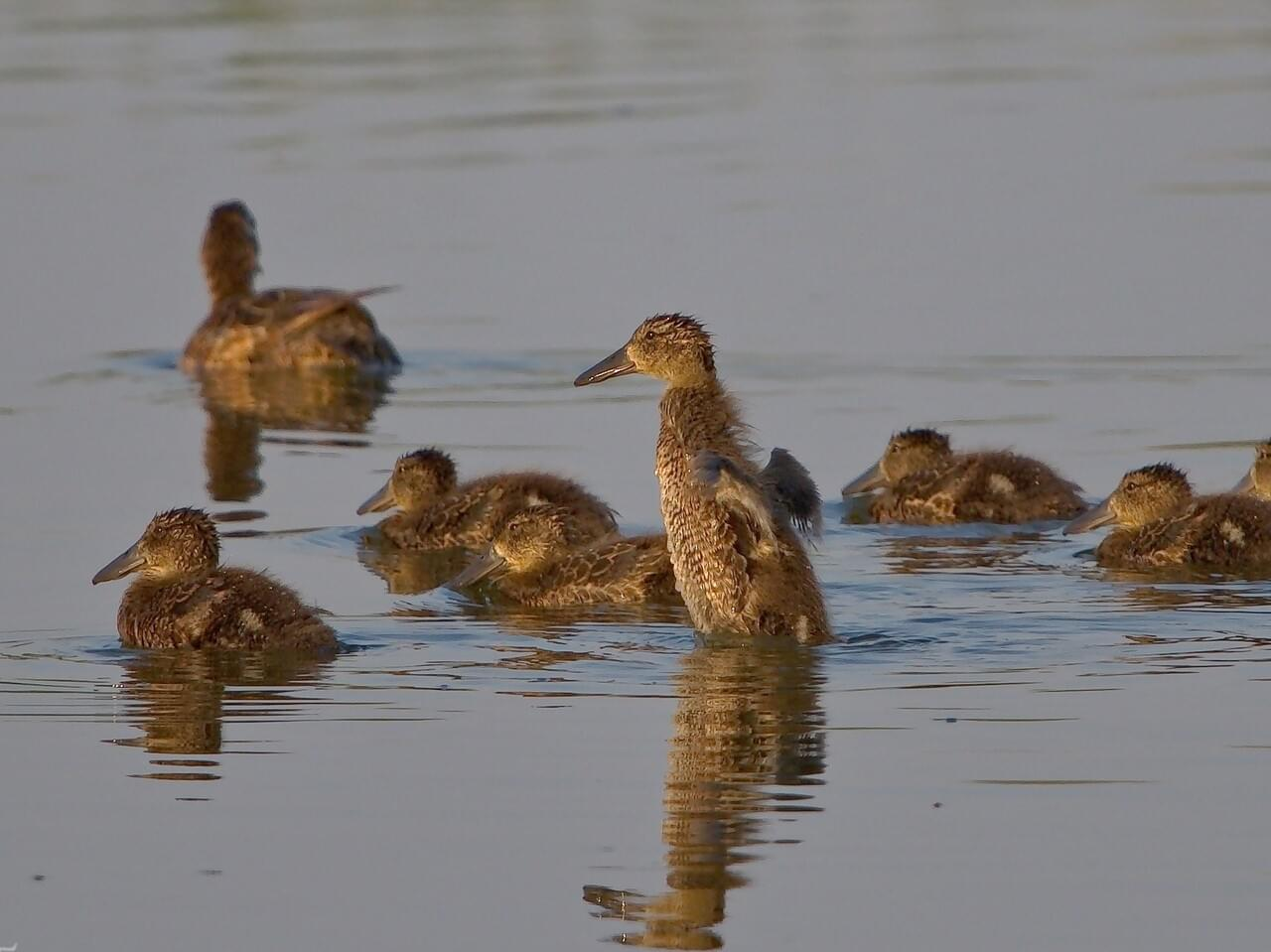
Figure 12: A northern shoveler chick (Picture from DigiBirdTrek CA)
More Males than Females?
A study in the United Kingdom has found that there are significantly more adult male northern shovelers than females (Wood et al., 2021). A whopping 72% of captured adults were male! To top it all off, the proportion of males has increased linearly over time. Since 1968-1969, the skew towards males has increased in adults. Newly hatched chicks and juveniles during their first winter have a mostly even sex balance (Blums P., Mednis A., 1996), so where does the imbalance come from in adults?
There could be something affecting the death rate of adult female ducks. They may be more vulnerable to predators while sitting on the eggs, since males don’t help incubate the eggs, and juveniles in their first winter haven’t bred yet. Animals like foxes, mink, raccoons, and crows like to prey on the northern shoveler or their eggs (EBSCO). These interactions with predators could put the females at a higher risk of being eaten or killed than their male counterparts.
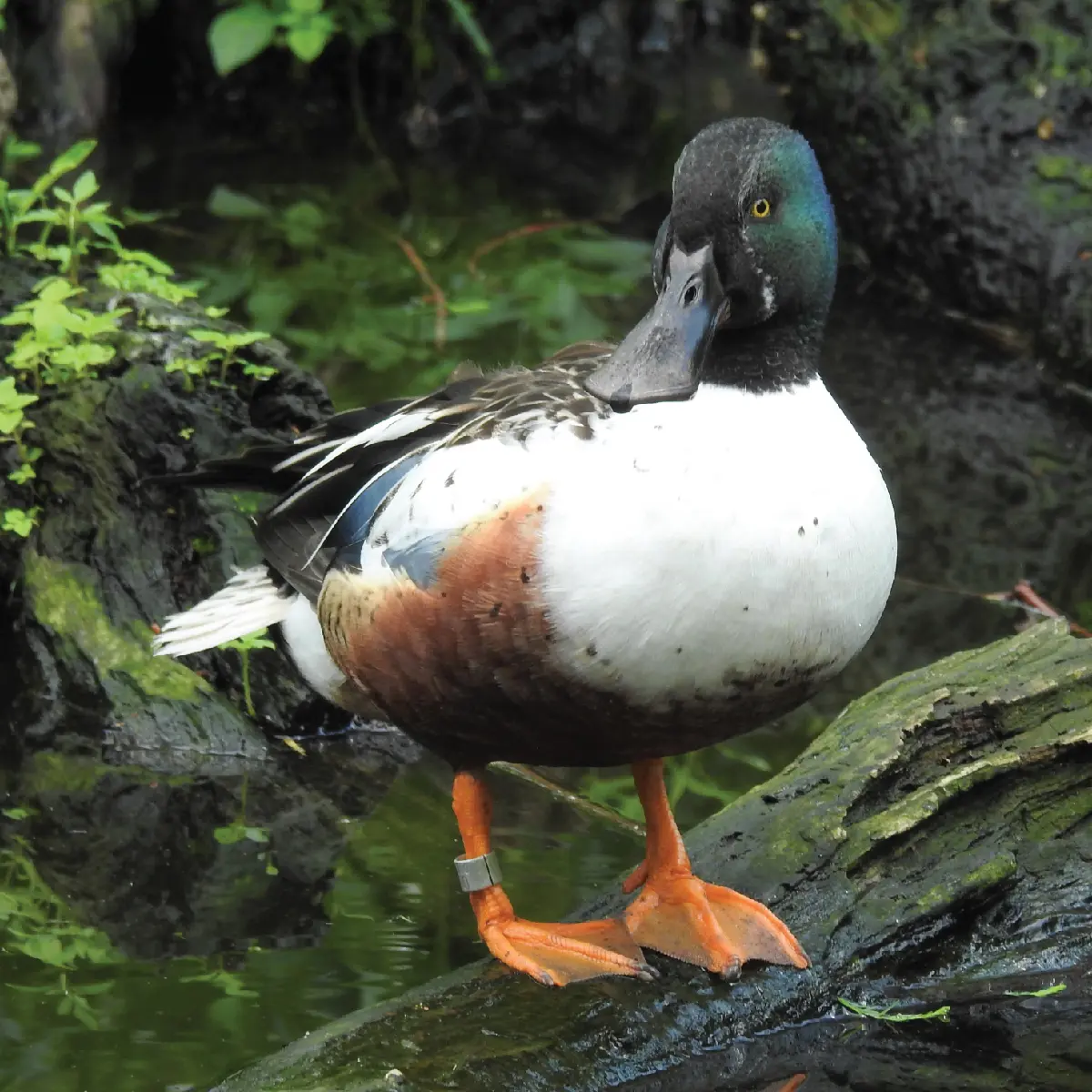
Figure 13: A male northern shoveler. (Picture from Saint Louis Zoo)
Next time you’re out looking at ducks in your local pond, keep an eye out for these unique and recognizable birds! Sit down and watch them rooting through the mud, paddling around, or even spinning a whirlpool. Hopefully you have a new found appreciation for the amazing northern shoveler.
References
Amor Abda, W., Merzoug, S., Belhamra, M., & Houhamdi, M. (2015). Phenology and diurnal behaviour of the northern shoveleranas clypeatain the Guerbes-Sanhadja Wetland Complex (north-eastern Algeria). Zoology and Ecology, 1–7. https://doi.org/10.1080/21658005.2014.994361
Blums, P., & Mednis, A. (1996). Secondary sex ratio in anatinae. The Auk, 113(2). https://digitalcommons.usf.edu/cgi/viewcontent.cgi?article=22967&context=auk
Historic hatching: Northern shoveler ducklings. Smithsonian’s National Zoo and Conservation Biology Institute. (2025, July 14). https://nationalzoo.si.edu/animals/news/historic-hatching-northern-shoveler-ducklings
Jordan, L. (2014, January 29). Mating and feeding behavior of the northern shoveler. 10,000 Birds. https://www.10000birds.com/mating-and-feeding-behavior-of-the-northern-shoveler.htm
Moreau, A., Rousseau, C., Bocher, P., Dupuy, C., & Farau, S. (2024). Home range sizes and nychthemeral habitat uses by the Northern Shoveler (Spatula clypeata) on prenuptial stopovers in Vendée marshes, western France. Ornis Fennica, 101(1), 62-75. https://www.proquest.com/scholarly-journals/home-range-sizes-nychthemeral-habitat-uses/docview/3144139875/se-2
Northern Shoveler (Anas clypeata): U.S. Fish & Wildlife Service. FWS.gov. (n.d.). https://www.fws.gov/species/northern-shoveler-anas-clypeata
Northern Shoveler. Audubon. (2026, October 2). https://www.audubon.org/field-guide/bird/northern-shoveler
Northern shoveler identification. All About Birds. (n.d.). https://www.allaboutbirds.org/guide/Northern_Shoveler/id
Northern shoveler life history. All About Birds. (n.d.). https://www.allaboutbirds.org/guide/Northern_Shoveler/lifehistory
Northern Shoveler. Smithsonian’s National Zoo and Conservation Biology Institute. (n.d.). https://nationalzoo.si.edu/animals/northern-shoveler
Northern shoveler (Spatula clypeata). Canada.ca. (n.d.). https://wildlife-species.canada.ca/bird-status/oiseau-bird-eng.aspx?sY=2019&sL=e&sM=c&sB=NSHO
Northern shoveler: Zoology. EBSCO. (2020). https://www.ebsco.com/research-starters/zoology/northern-shoveler/
Roos-Muñoz, S., Cruz-Acevedo, E., Castillo-Guerrero, J. A., Torres-Bugarin, O., del Río-Zaragoza, O. B., García-Hernandez, J., Aguilar-Zarate, G., Danemann, G. D., & Betancourt-Lozano, M. (2026). Multi-tissue contamination (Mercury, lead, and organochlorine pesticides) and health biomarkers in northern shoveler and northern pintail during wintering. Environmental Management, 76(6). https://doi.org/10.1007/s00267-026-02504-2
Szabó, B., Szabó, A., Vad, C. F., Boros, E., Lukić, D., Ptacnik, R., Márton, Z., & Horváth, Z. (2022). Microbial stowaways: Waterbirds as dispersal vectors of aquatic pro‐ and Microeukaryotic Communities. Journal of Biogeography, 49(7), 1286–1298. https://doi.org/10.1111/jbi.14381
The IUCN red list of threatened species. IUCN Red List of Threatened Species. (n.d.). https://www.iucnredlist.org/species/22680247/153875944
Wood, K. A., Brides, K., Durham, M. E., & Hearn, R. D. (2021). Adults have more male-biased sex ratios than first-winter juveniles in wintering duck populations. Avian Research, 12, 1-15. https://doi.org/10.1186/s40657-021-00286-1