Current Projects
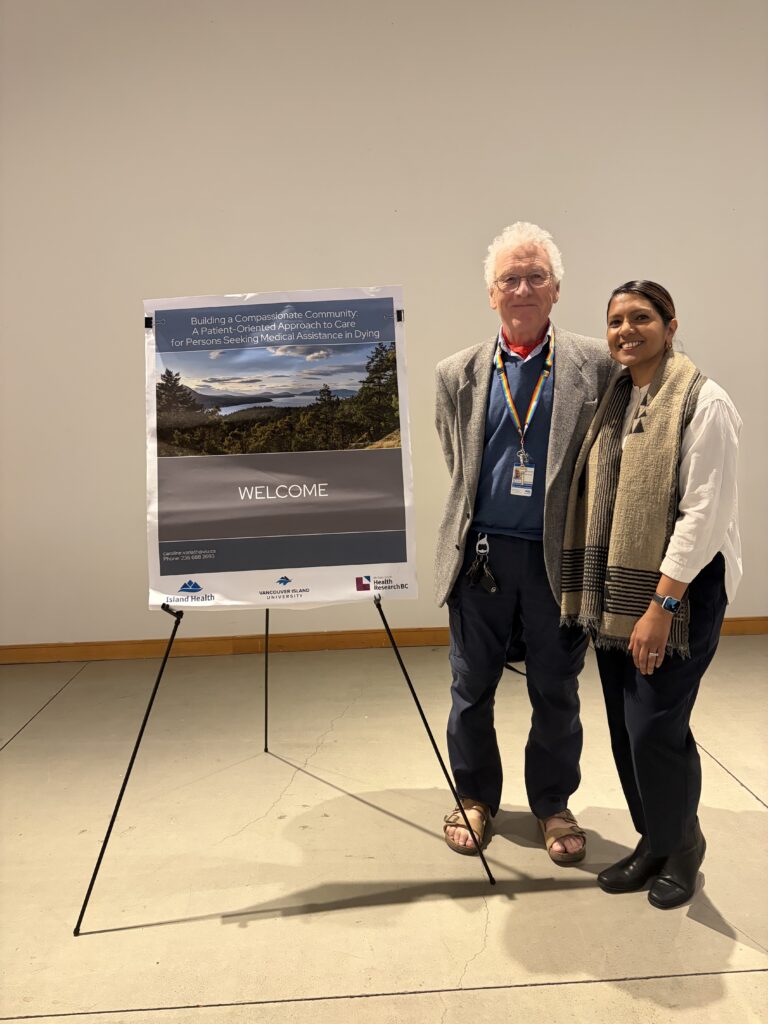
Building a Compassionate Community: A Patient-Oriented Approach to Care for Persons Seeking Medical Assistance in Dying
Island Health has the highest rate of Medical Assistance in Dying (MAiD) provision in British Columbia. Recent research within Island Health’s MAiD program has highlighted gaps in support for equity-deserving populations seeking MAiD. Changes to the MAiD legislation allow eligibility for people whose natural death is not foreseeable; however, they do not meet criteria for palliative, end-of-life care. Rising rates of substance use, mental health disorders, and homelessness further underscore the need for compassionate, supportive care for those considering MAiD. Many non-profit community support organizations that provide health and social services for equity-deserving groups often lack awareness about MAiD and its processes, limiting their ability to offer informed support.
In collaboration with Island Health’s MAiD Coordination Centre, this project will employ a patient-oriented, learning health systems approach to address these gaps and foster collaboration between Island Health’s MAiD program, people with lived or living experiences (PWLLE), and local community support organizations.
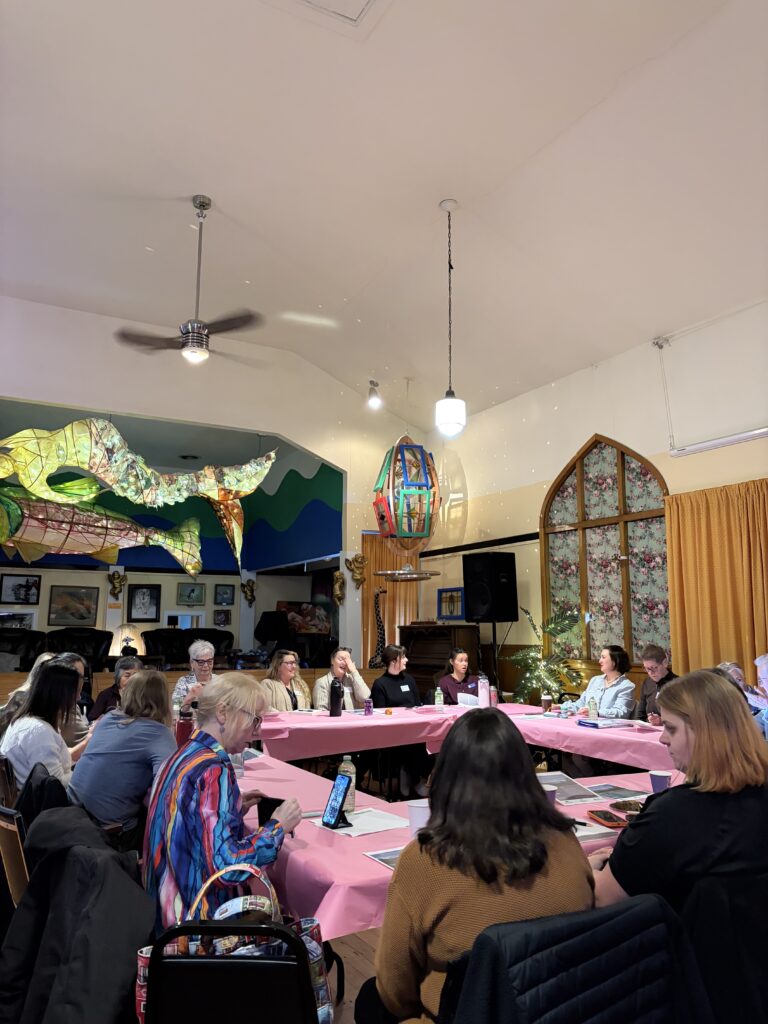
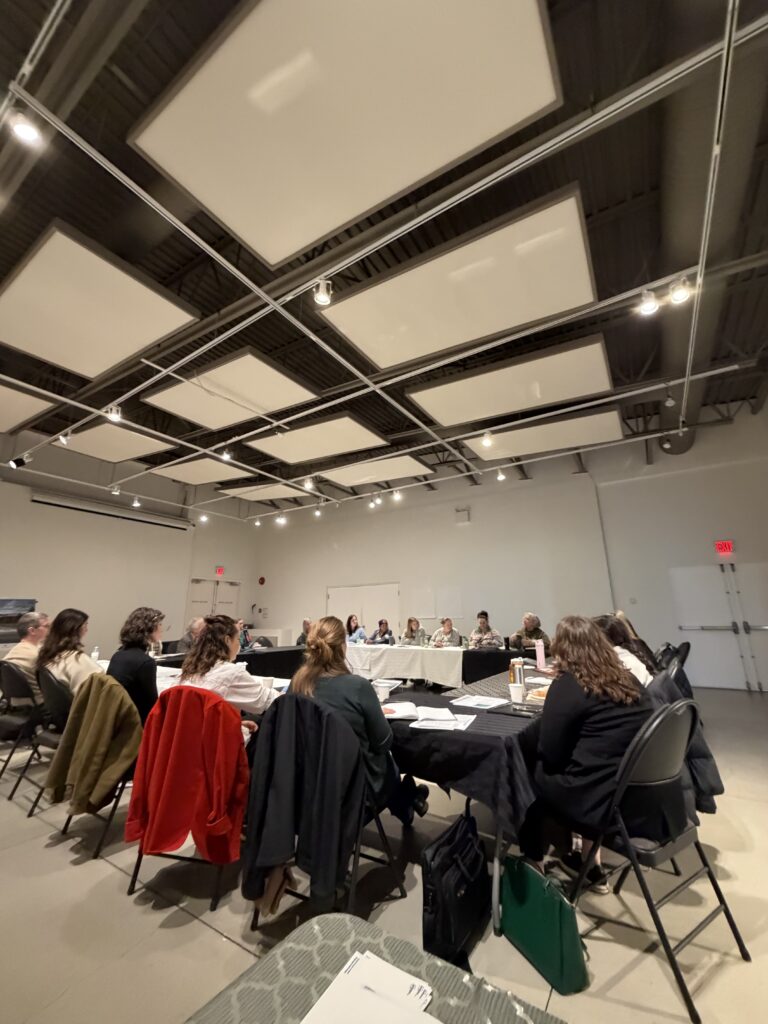
The primary goals are: 1) to explore and strengthen community-based supports available for equity-deserving populations seeking MAiD on Vancouver Island, and 2) to enhance awareness and understanding of MAiD among community support organizations. This project will establish a strong foundation for developing an integrated community-based approach that offers wrap-around support to persons seeking MAiD and their families.
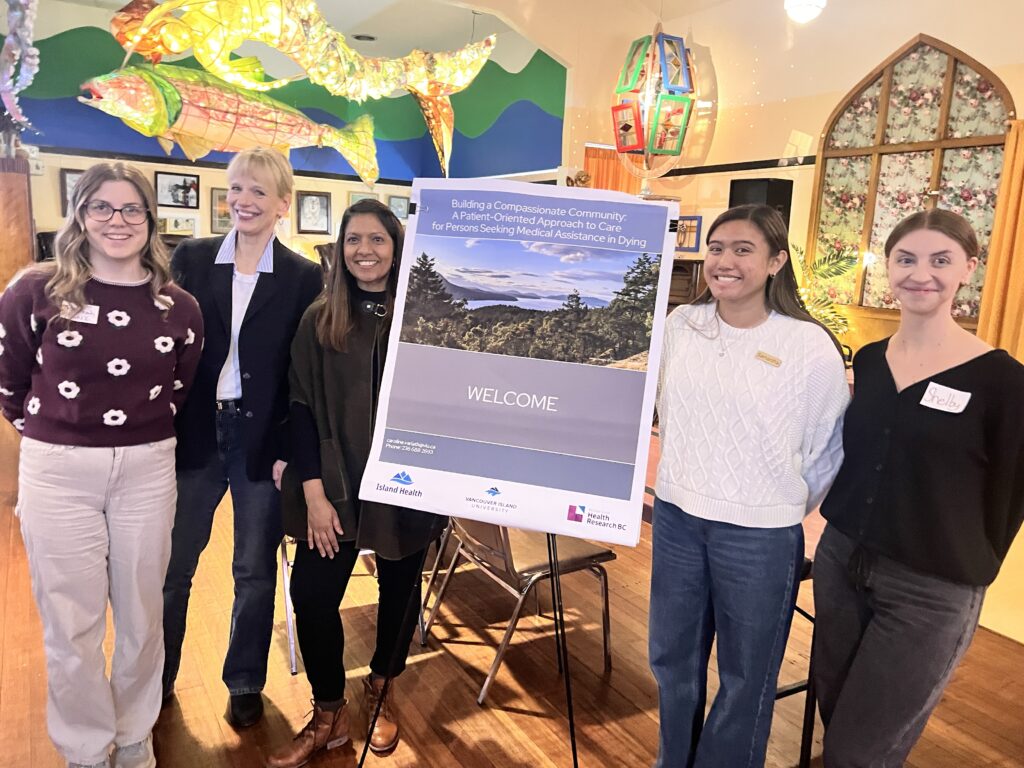
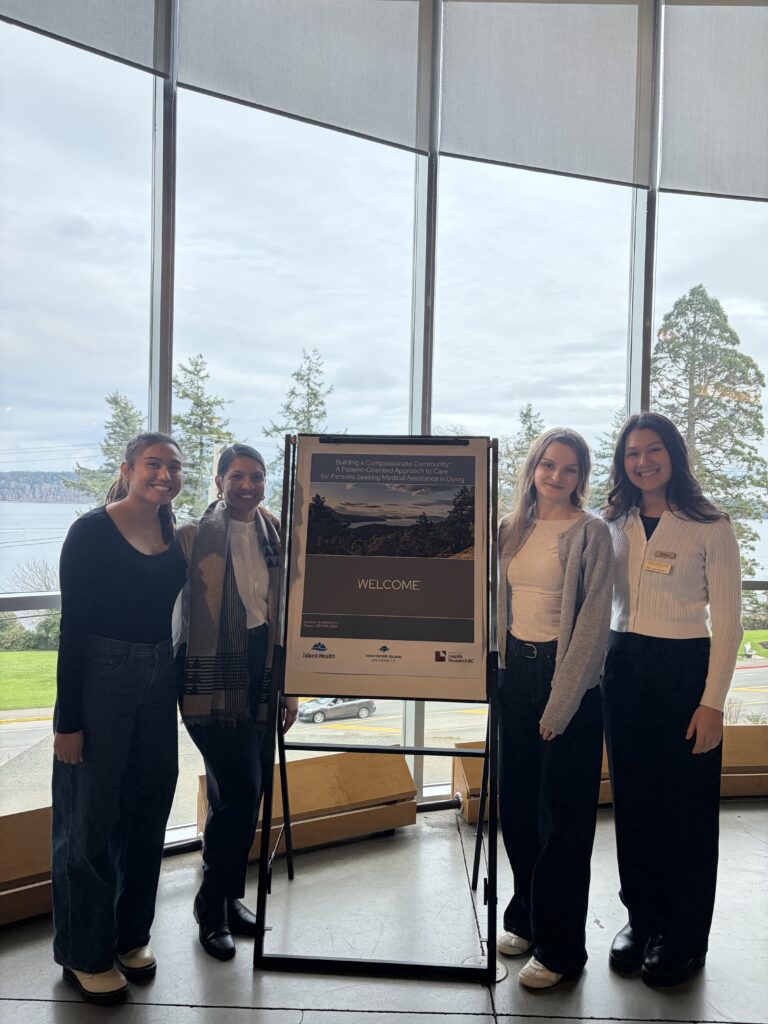
Comprehensive Resource Repository to Support Individuals Seeking Medical Assistance in Dying
Previous studies conducted by our team highlight significant gaps in access to health and social supports for equity-deserving populations seeking Medical Assistance in Dying (MAiD). Recent legislative changes to MAiD expanded eligibility to include individuals whose natural death is not foreseeable, many of whom do not qualify for palliative or end-of-life care. Rising rates of substance use, mental health challenges, and homelessness further highlight the need for more coordinated and compassionate supports. This project uses a patient-oriented, learning health system approach to strengthen collaboration between Island Health’s MAiD program, people with lived or living experience, and community support organizations. By identifying existing community-based resources and developing a publicly accessible website to centralize and share this information, the project aims to enhance equitable access to community-based supports for individuals seeking MAiD and their families on Vancouver Island.
Understanding Family Experiences with Medical Assistance in Dying (MAiD) in Canada
Since the legalization of Medical Assistance in Dying (MAiD) in Canada in 2016, more than 75,000 Canadians have accessed MAiD. Legislative amendments in 2021 expanded eligibility to individuals whose death is not reasonably foreseeable (Track-2 MAiD), introducing new ethical, emotional, and social complexities for patients and their families. While considerable progress has been made in developing clinical pathways and education, less attention has been given to the emotional and support needs of family members involved in MAiD. Families often experience forms of grief distinct from those associated with natural death, characterized by uncertainty, moral tension, and limited access to tailored emotional and bereavement supports.
This project aims to address these gaps through two complementary projects. First, a qualitative study to explore the emotional experiences and support needs of family members involved in Track-2 MAiD across Canada. This study, led by Dr. Variath, is part of a larger Canadian Institutes of Health Research study entitled Toward Effective Policy and Clinical Care in the Context of Track 2 MAiD in Canada based in Dr. Barbara Pesut’s research lab at the University of British Columbia. Second, we are conducting a scoping review to synthesize Canadian literature on family experiences and emotional support needs in the context of MAiD. The scoping review will examine how family is conceptualized in the literature, identify psychosocial, ethical, cultural, and health system influences on family experiences, and highlight gaps to inform future research, policy, and program development.
Everyday Ethical Challenges: A Necessary Shift in Undergraduate Nursing Ethics Education
Undergraduate nursing students often perceive ethics education as abstract and disconnected from everyday clinical practice. Traditional pedagogical approaches emphasize high-level ethical theory and exceptional cases, which may insufficiently prepare students for the routine ethical tensions nurses encounter in increasingly complex healthcare environments. This gap is concerning given nurses’ expanding roles in advocacy, addressing inequities, and contributing to system-level change. Although ethics education is widely recognized as foundational to nursing practice and essential for mitigating moral distress, there is limited evidence on effective strategies for integrating ethics education into undergraduate curricula in ways that foster ethical confidence, leadership, and ethical action.
The first goal of this study is to conduct a scoping review to identify educational strategies used in undergraduate nursing ethics education and to examine evidence of their effectiveness in supporting ethical decision-making and moral sensitivity. The second goal is to conduct an environmental scan of undergraduate nursing programs across Canada to describe current curricular approaches to ethics education, compare teaching methods and content, and identify opportunities for advancing nursing ethics pedagogy. Together, these findings aim to inform the development of more practice-relevant and transformative approaches to undergraduate nursing ethics education.
Developing a Logistical Tool to Support Planning for the Day of Provision
This project is a collaboration with MAiDHouse, a community partner offering an alternative, community-based space for people choosing medical assistance in dying (MAiD). MAiDHouse’s engagement with MAiD providers and clinical committees has revealed a need for better support with logistical planning on the day of provision. Current supports focus primarily on grief and bereavement, information about MAiD, and legacy conversations. Less attention has been given to practical planning needs, such as burial or cremation options, choosing a funeral home, organizing wills or executors, and coordinating transfers to another location for MAiD provision. These unmet needs can increase stress and anxiety for patients and families.
This project aims to better understand current practices and gaps related to logistical planning for MAiD and to develop a practical, comprehensive resource to support patients, families, and community-based providers. Methods include a scoping review of academic and grey literature and semi-structured interviews with MAiD providers and care team members. Findings will inform the development of a resource designed to improve patient experience, reduce anxiety, and support families during and after the MAiD process.