By Henry Sipos
Patrick J. Deneen’s (2023) Regime Change: Towards a Postliberal Future is a criticism of modern-day liberal ideals of individualism and self-creation. Deneen argues that classical liberalism (conservatism), progressive liberalism, and Marxism are all progressive liberal ideologies that intentionally and institutionally set up a class of elites to be the vanguard of change. These ideologies all share the common goal of transforming human and social organizations to promote the individual freedom to pursue one’s own ends as they desire, free from the constraints of tradition. As Deneen correctly highlights, in pursuit of these ends, they uproot the ancient tradition of the common good that emphasizes stability, continuity, and predictability in favour of transformation. In this way, progress seeks to abandon ancient civic education’s natural conceptions of good and evil, leading to a polarized society without a moral compass to guide individuals’ lives. While Deneen highlights real problems in liberalism, his critique overlooks the potential value in progressive liberalism and misrepresents the new elites’ intentions.
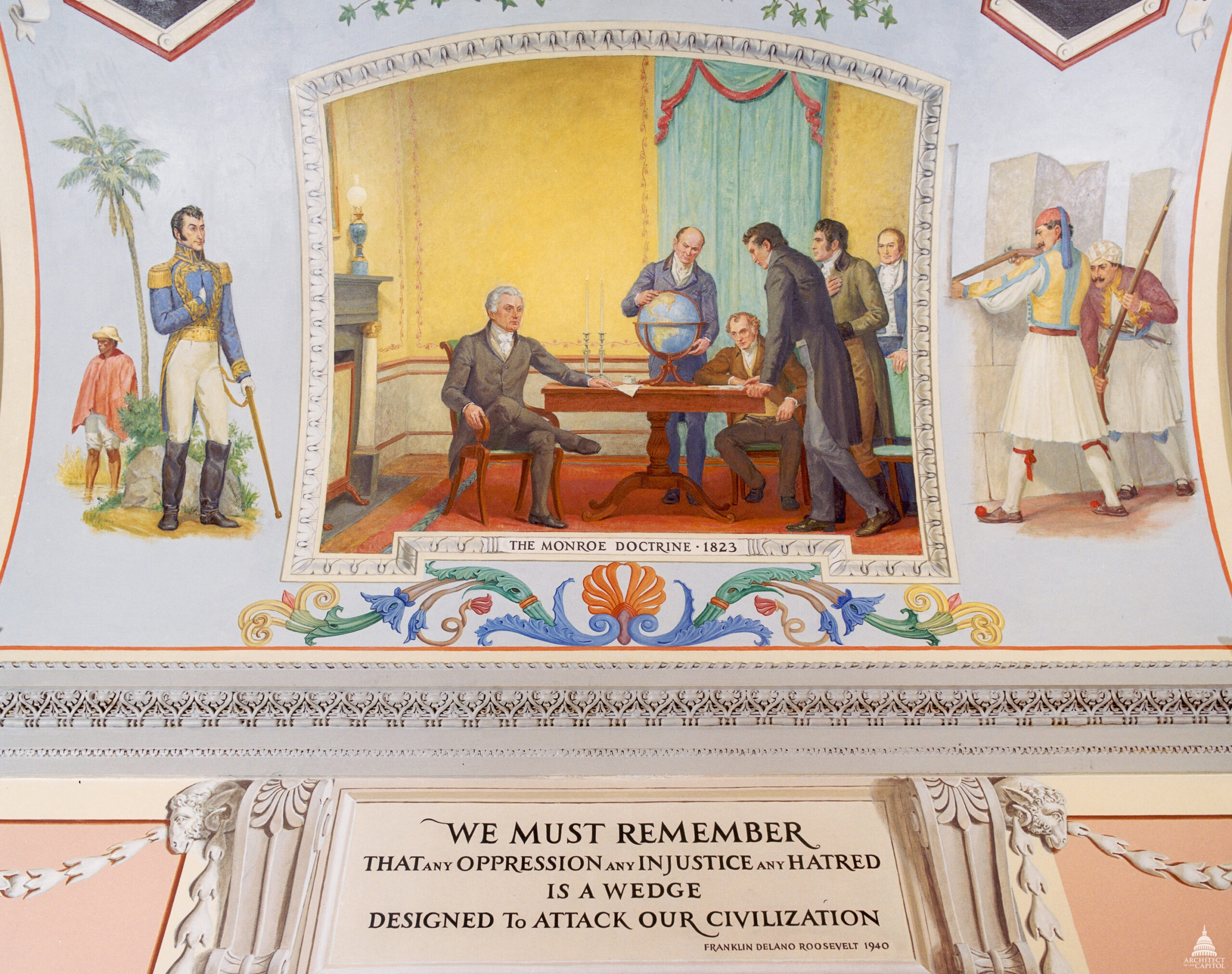
Deneen argues that liberalism, due to its emphasis on individuals and their contractual relationship with other individuals, instead of creating greater equality and freedom for all, as promised, gives birth to a new form of despotism; the creation of a new class of elites, Deneen calls the managerial class. These elites encompass the educated class that exercises its power through non-governmental institutions. They operate in bureaucratic and managerial positions within quasi-governmental corporations such as universities, managerial institutions, the media, and the arts. As Deneen critiques, this new class views itself as the vanguard of progress and the conservative majority as the obstacle to achieving moral transformation. He argues that the managerial class participates in an act of self-deception, seeing themselves as the oppressed while upholding oppression through their authority over the powerless conservative majority. Iris Marion Young’s (1990) Five Faces of Oppression provides a framework to understand Deneen’s claim that the executive class misuses their privileged role, perpetuating powerlessness. Powerlessness is a form of oppression defined as, “a division structured by the social division of labour between professionals and non-professionals. Professionals are privileged in relation to non-professionals, by virtue of their positions in the division of labour and the status it carries. Non-professionals suffer a form of oppression in addition to exploitation” (Young 56). In other words, the managerial elites exercise power over the real oppressed, which Deneen defines as the “enculturated lower and working class” (Deneen 35), who have no power to wield authority themselves. Thus, the conservative majority, by virtue of their position, are situated to follow orders of the professional class.
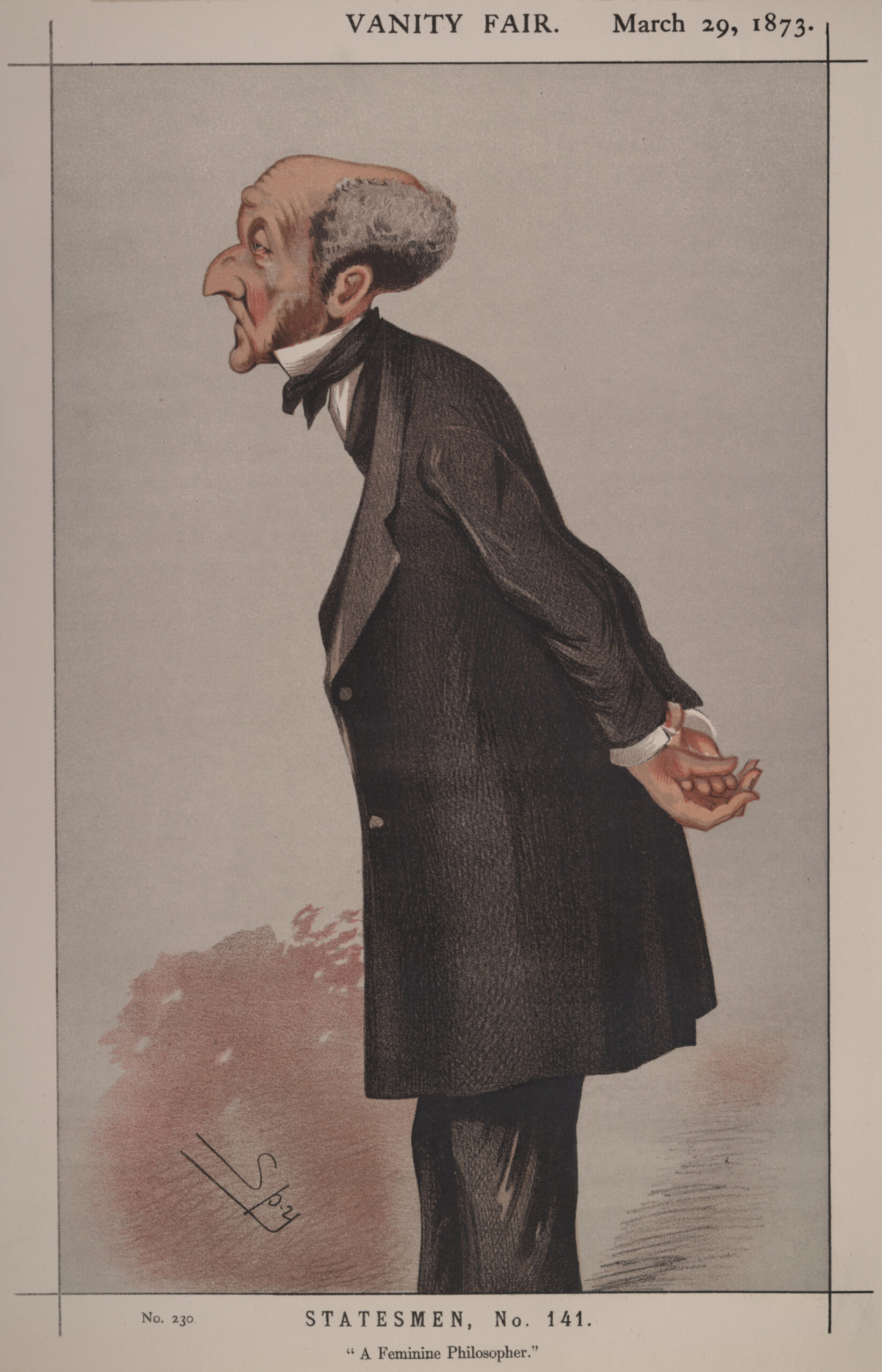
As Deneen sees, the executives are attempting to eliminate structural forms of oppression, which are upheld by the conservative majority, through enforcing ideological policies that influence people from the top down. According to Deneen, progressives mistakenly believe that they are fighting for freedom for all: however, by imposing their moral agenda, instead of freeing individuals, they encroach on the interactions and behaviours of the lower—and working-class people, thereby denying their traditional moral values. Deneen argues that in this process, progressives reject ancient conceptions of natural good and evil in favour of subjective morality. The liberal arts have a thick conception of universal human goods; they endorse a historically informed vision of human flourishing and specific universal intrinsic values forming the foundation of a life well-lived, rather than just a thin set of individual rights. As such, liberal arts are a threat to the progressive ideal of living as one pleases. This criticism seems to stand strong; by abandoning tradition as an obstacle to progress, progressives discard ancient wisdom, leaving humanity without a shared moral framework to guide behaviour. Deneen argues that progressives adopt John Stuart Mill’s (1859) harm principle described in On Liberty, as the standard for judging good and bad. Mill writes, “That the only purpose for which power can be rightfully exercised over any member of a civilized community, against his will, is to prevent harm to others. His own good, either physical or moral, is not a sufficient warrant” (Mill 25) This statement supports that an individual may do as they please as long as their actions do not harm others. This principle reduced morality to subjective judgment of harm, undermining the shared conception of the common good. Thus, while the managerial class may experience structural oppression, their exercise of power over the lower classes simultaneously positions them as oppressors.
Although the executive class may use forceful avenues to achieve their objectives, they are not necessarily acting in bad faith. Deneen uncharitably positions the managerial elites as a tyrannical force that seeks to oppress through indoctrinating a certain agenda under the guise of progressive liberalism. He fails to grapple with the fact that some policies are in place to protect racial and sexual identities from real harm, not just hurt feelings. Deneen’s critique may be missing the value of progressive liberalism as defined by T. H. Green’s (1888) analysis of welfare liberalism in Liberal Legislation and Freedom of Contract where he writes:
When we speak of freedom as something to be highly prized, we mean a positive power or capacity of doing or enjoying something worth doing or enjoying, and that, too, something that we do or enjoy in common with others. We mean by it a power which each man exercises through the help or security given him by his fellowmen, and which he in turn helps to secure for them. (86)
In this passage, Green describes the aim of progressive liberalism as to secure positive liberty, which is the capacity to achieve one’s ends through cooperation and mutual security in society. Deneen fails to see potential value in the efforts of the executive elites to protect marginalized groups and foster a supportive collective society. While the methods of the professional elites may be invasive, there is valuable discourse to be had on where the rights of the oppressed end and begin.
Deneen proposes Aristopopulism as the solution for the problems in liberalism, calling for a return to ancient values that emphasize the common good, stability, and civic virtue. As Deneen articulates, “what is needed is a mixing of the high and the low, the few and the many, in which the few consciously take the role of aristoi—a class of people who through supporting and elevating the common good that undergirds human flourishing, are worthy of emulation and, in turn, elevates the lives, aspirations, and vision of ordinary people” (153). Deneen envisions a self-conscious elite that uplifts the enculturated majority and promotes human flourishing. He claims populism as the foundation of Aristopopulism, as it emphasizes the appeal to the “common people.” However, populism is a loose concept that can be attached to various ideologies, including classical liberalism, progressive liberalism, and Marxism, which Deneen critiques. Nevertheless, this vision advocates for the return of a commonly shared moral framework rooted in ancient wisdom and habituation in virtue. By establishing a universal moral foundation inherited from the Western tradition, humans, regardless of their identity, can work towards a common good that emphasizes virtues like justice, honesty, courage, and generosity.
While Deneen offers some valid critiques of liberalism, he is uncharitable to the positive motivations behind liberal ideologies. Deneen explains that classical liberalism, progressive liberalism, and Marxism all set up an elite as their vanguard to morally transform society. The intentions of these ideologies are not inherently in bad faith, however, in their efforts to protect racial and sexual identities, they reject the ancient conception of the good and embrace moral relativism based on Mill’s harm principle. Thus, they leave humanity without a shared moral compass to guide society. Deneen’s solution to this dilemma is a call for Aristopopulism, which sets up a self-conscious elite responsible for the majority’s flourishing. This vision establishes a universal moral framework rooted in the ancient wisdom of virtues like justice, honesty, and courage to achieve a common good. While Deneen presents valid criticism of liberalism’s discernment with virtue and soul craft, he also undermines the need for policies to protect racial and sexual minorities from real harm, not just hurt feelings.
Work Consulted
Mill, J.S. On Liberty. Ryerson University Toronto, 1859.
Deneen, Patrick J. Regime Change: Toward a Postliberal Future. Sentinel, 2023.
Green, T. H. ‘Liberal Legislation and Freedom of Contract.’ In Works, vol 3. Edited by. R. L.
Nettleship; Longmans, Green, 1888, pp. 370-377.
Young, Iris Marion. Justice and the Politics of Difference: Five Faces of Oppression. Princeton
University Press, 1990.